
DF/IR: One Station in the Assembly Line

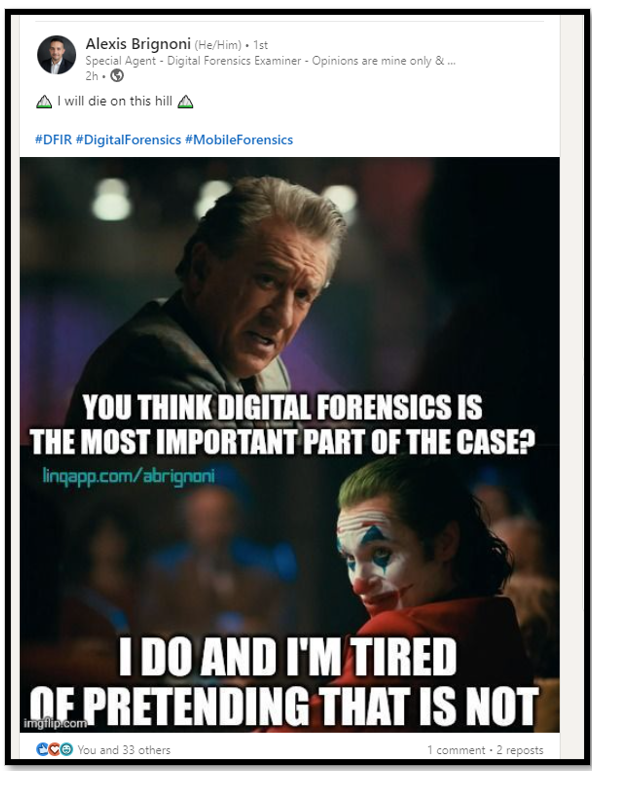
I’ve got to give credit where it’s due: Brigs, the DF/IR Meme Master, knows how to poke fun at our collective sense of importance. One of his recent memes nailed an uncomfortable truth: as much as we value our DF/IR work, it’s not always the center of the universe. So, let’s step back a minute and consider how crucial we genuinely are (sometimes not as important as we’d like to think).
When you’re in the thick of a DF/IR analysis, it feels like the fate of the entire incident rests on the artifacts you uncover. Yes, in some cases, it might. A single log entry or packet capture can mean the difference between resolving a breach or leaving critical questions unanswered. But as essential as DF/IR is, it’s still just one station on an assembly line, from the initial event to the final decision-makers who turn evidence into outcomes.
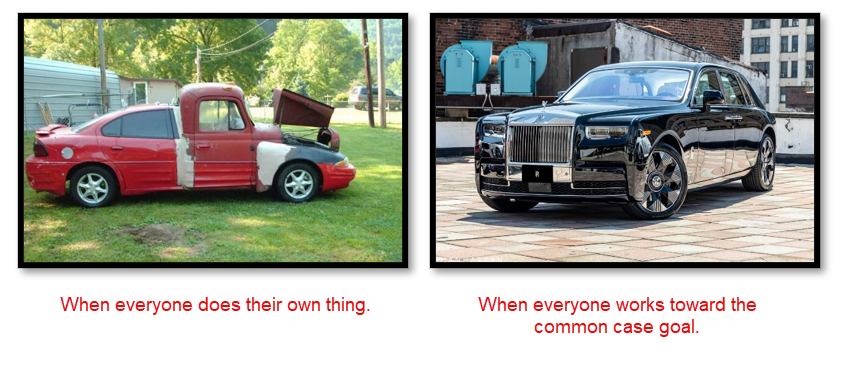
Think of a car factory’s assembly line: each station contributes a unique component to the final product. Without each station doing its job, that car never rolls off the line; if it does, it is incomplete. DF/IR is one such station on a case’s assembly line.
We collect, interpret, and confirm the digital evidence that helps explain what happened. Yet, this is only one piece of a much larger puzzle. A courtroom verdict, a corporate strategy shift, or a regulatory decision requires multiple forms of evidence and expertise.
DF/IR findings must fit with fingerprints, DNA results, surveillance video, and witness accounts for a criminal investigation. They might join financial reports, HR records, and security policy reviews in a corporate setting. DF/IR doesn’t stand alone; it connects and enhances other evidence streams, creating a clearer path toward reasoned, informed conclusions.
Staying Grounded in Purpose
Our meticulous attention to detail in DF/IR is a point of pride. Every byte might matter. But burying ourselves in the minutiae can cause us to lose sight of the goal: providing meaningful, reliable insight for those who must make a decision. DF/IR is not about celebrating our technical prowess. It’s about ensuring that others, such as judges, executives, and investigators, can make decisions based on verified truth.
Collaborative Integration
An expertly conducted DF/IR examination that isn’t communicated clearly or integrated effectively is a wasted effort. We must explain our findings in context, use language that others can understand, and show how the digital evidence aligns with or challenges other sources of information. Our work should empower decision-makers, not leave them guessing.
We should be cognizant to ensure our goals align with the case strategy. When different aspects of any case are not aligned, the end product becomes a potpourri of information that results in a lousy product, much like a car assembly line with each station building what they want to build and not what the line was intended to build.
You, not them, are the expert.
If your client, attorney, judge, juror, or management wanted to hear every detail about how you ran scripts, manually carved data, and correlated forensic artifacts, they would have gone to IACIS to learn it themselves. What they really want is the story explained in a way they can understand.
Think about it this way: when your mechanic fixes your transmission, you probably don’t want a play-by-play of every technical step. You just want to know what went wrong, how it was fixed, and what it means for you. If you want to know every play-by-play step, then you ask.
The same applies here. Provide the technical details only when necessary, and always present them in a way your audience can grasp. Focus on the story first. Save the deep dive for when it’s truly needed. Analogies can be effective if used appropriately.
Seeing the Bigger Picture
DF/IR is indispensable precisely because it uncovers details that no other discipline can. However, it can only fulfill its promise if we understand its place in the larger investigative pipeline. Accepting that we’re part of the process and not the process helps us focus our efforts more efficiently. We’re not here to run tools to say we did. We’re here to provide actionable, truth-based insights that guide real-world decisions.
Recognize your station on the assembly line, perform your role with excellence, and acknowledge the contributions of others. That’s how DF/IR practitioners ensure their hard work truly serves the ultimate objective: delivering the truth to those who need it most.
Side note: The sooner you know and master this, the faster your competence in DF/IR grows.
Discover more from Brett's Ramblings
Subscribe to get the latest posts sent to your email.